



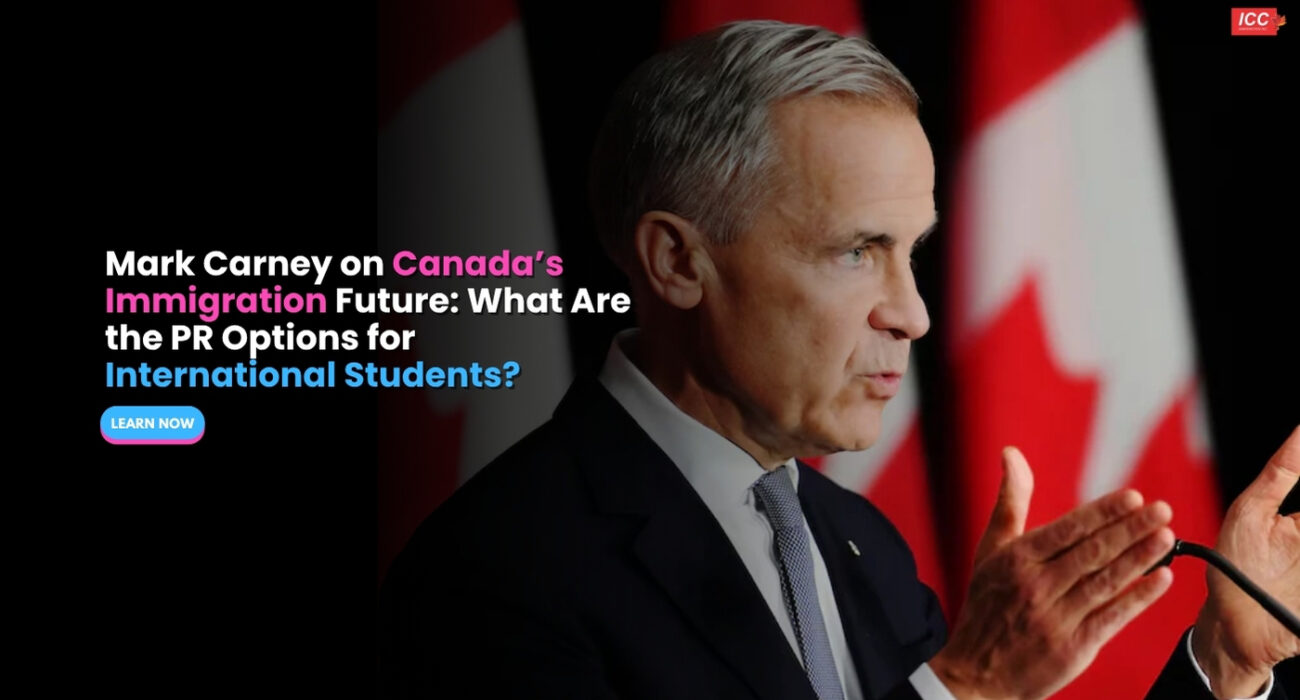
Canada’s immigration system is becoming more selective in 2026, particularly for international students in Canada, temporary residents and graduates seeking Permanent Residency in Canada. Recent comments from Prime Minister Mark Carney and Alberta Premier Danielle Smith have highlighted the growing pressure on graduates whose temporary status is expiring and who have not yet secured a permanent pathway.
The discussion comes as Canada continues to reduce temporary resident arrivals while keeping permanent resident admissions at 380,000 annually from 2026 through 2028. The federal government has set a target of 385,000 new temporary resident arrivals in 2026, including international students and temporary workers.
PGWP Refusals Highlight the Importance of Choosing the Right Program
One of the biggest concerns for international students in Canada is access to a Post-Graduation Work Permit (PGWP).
Several graduates connected to programs delivered through a Portage College partnership have reportedly received PGWP refusals after IRCC classified their programs as non-credit. The issue has attracted significant attention because students say they believed their education would lead to post-graduation work opportunities.
IRCC’s current PGWP guidance confirms that graduates must meet specific eligibility requirements, and the department updated its eligibility information on June 24, 2026. Depending on the program, graduates may also need to satisfy applicable field-of-study and language requirements.
This is an important reminder for anyone planning a study permit in Canada: selecting a school and program should not be based only on tuition, location or a promise of future PR. Students should examine whether the program actually supports their intended immigration strategy.
Alberta Highlights the Growing Demand for PR Pathways
Alberta has also pointed to the limited number of provincial nomination spaces available compared with the number of people seeking permanent residence. Alberta’s 2026 AAIP information shows a federal allocation of 6,403 nominations for the province, with additional spaces available under specific federal initiatives.
The Provincial Nominee Program (PNP) can be an important Canada PR pathway because provinces nominate candidates whose skills, education and work experience match their economic needs. However, eligibility and nomination numbers vary by province and stream.
For graduates and workers already in Canada, this makes early planning more important. Waiting until a work permit is close to expiring can significantly limit available options.
Is Asylum the Right Alternative?
Asylum and immigration programs serve different purposes. Asylum in Canada is intended for people who can establish that they meet the legal definition of a Convention refugee or person in need of protection. It is not a general substitute for an economic immigration or study-to-PR strategy.
Canada’s asylum system has also undergone changes following Bill C-12, which received Royal Assent on March 26, 2026. The federal government says the measures are intended to strengthen the immigration and asylum systems and improve their integrity and efficiency.
For individuals who do not have a genuine basis for refugee protection, exploring legitimate Canada immigration pathways is generally the more appropriate approach.
How ICC Immigration Can Help You Secure Your Future in Canada
At ICC Immigration, we help clients understand their realistic immigration options instead of relying on uncertainty. Our team can assess your education, work experience, language ability, family situation and immigration history to identify suitable PR pathways in Canada.
Our services include:
Permanent Residency Applications: Guidance for Express Entry, Provincial Nominee Programs (PNPs) and other permanent residence programs. Express Entry manages applications through programs including the Canadian Experience Class, Federal Skilled Worker Program and Federal Skilled Trades Program.
Study and Work Permits: Assistance with choosing appropriate temporary immigration options while considering your longer-term goals. Graduates may qualify for a PGWP depending on the applicable requirements, and Canadian work experience may support future PR eligibility.
Family Sponsorship: Eligible Canadian citizens and permanent residents may be able to sponsor certain family members for permanent residence, subject to program requirements.
Professional Immigration Guidance: Canadian immigration rules can change quickly. Careful document preparation, eligibility assessment and timely planning can help reduce avoidable mistakes. No representative can guarantee approval, but proper preparation can help ensure an application is complete and aligned with the applicable requirements.
Plan Your Canada Immigration Journey Before Your Status Becomes a Problem
Canada’s immigration environment in 2026 is increasingly focused on targeted economic immigration, controlled temporary resident levels and carefully managed permanent residence admissions.
Whether you are already in Canada or planning to come, the best strategy is to understand your options early. Express Entry, PNP immigration, work permits, study permits and family sponsorship may offer different routes depending on your circumstances.
Instead of waiting until your temporary status is close to expiry, start planning your Permanent Residency in Canada with a pathway based on your actual eligibility.
ICC Immigration is here to help you understand your options and navigate your Canadian immigration journey with greater clarity and confidence.